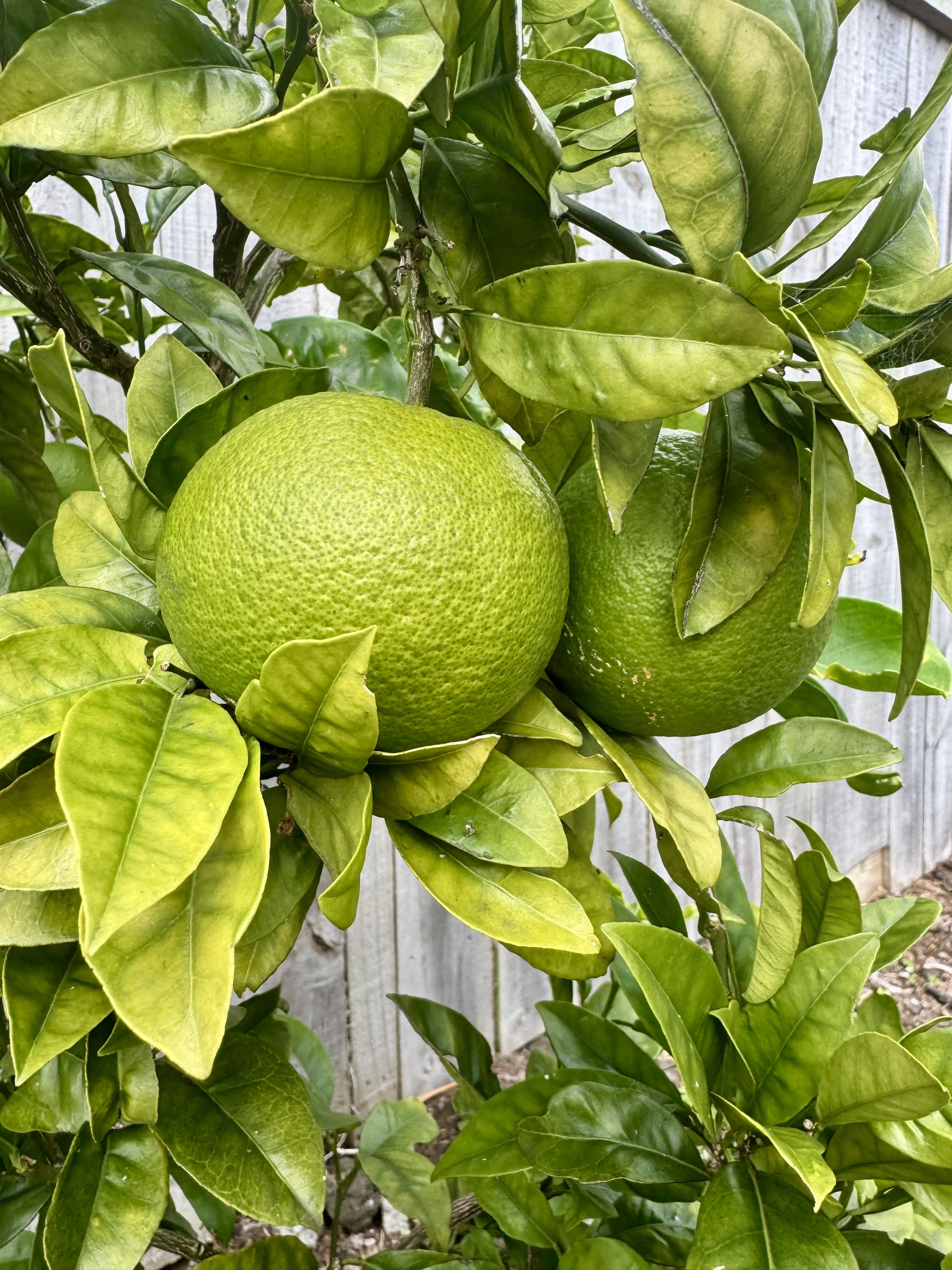
Fruit tree pruning in Auckland
Auckland's mild climate grows excellent fruit trees, but they need regular pruning to stay productive and healthy. Plum trees, citrus, feijoas, and apple trees all have different pruning requirements, different timing, and different risks if the work is done poorly.
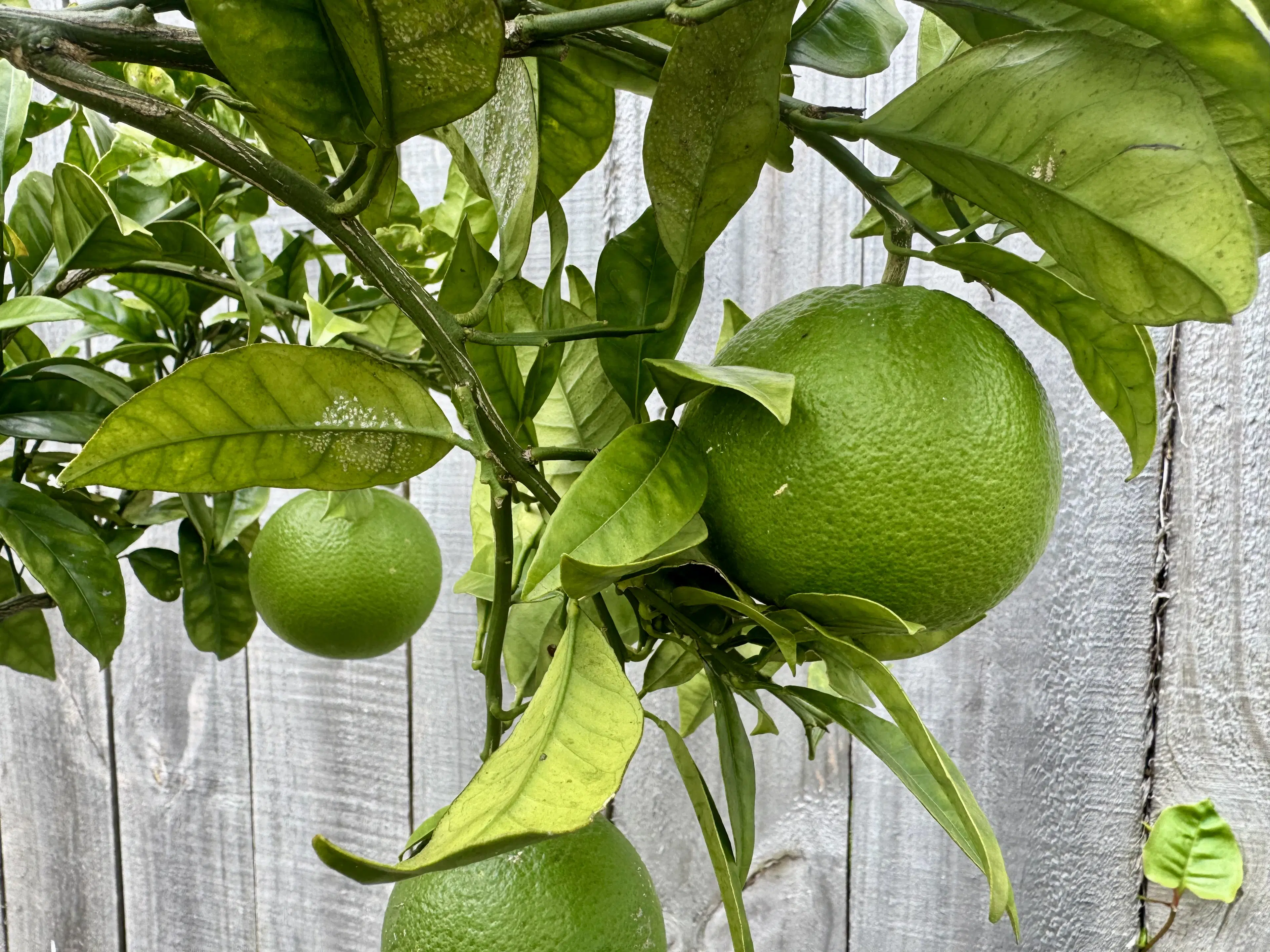
We've been pruning fruit trees across Auckland since 1992. From heirloom organic plum trees in Grey Lynn backyards to mature citrus in Remuera gardens, our arborists understand the balance between fruit production and long-term tree health.
When to prune fruit trees in Auckland
Auckland's seasons are mild but distinct, and pruning timing matters. Getting it wrong can reduce fruit production, invite disease, or stress the tree at the wrong time.
Plum trees
Prune in winter (June to August) while the tree is fully dormant. This is critical. Pruning plum trees during the growing season dramatically increases the risk of silver leaf disease, a fungal infection that enters through fresh pruning cuts. Winter pruning, when spore activity is lowest, is the safest approach.
For established plum trees, focus on removing crossing branches, thinning the centre to improve airflow, and taking out dead or diseased wood. Young plum trees benefit from formative pruning to establish an open vase shape that allows light into the centre.
Citrus trees
Citrus in Auckland can be lightly shaped year-round, but more substantial pruning is best done in late winter (July to August) before the spring growth flush. Remove dead wood, crossing branches, and any growth below the graft union.
Auckland's citrus trees, including lemon, mandarin, orange, and lime, are evergreen and don't go fully dormant. Pruning is generally lighter than for deciduous fruit trees. The goal is maintaining shape and airflow rather than major structural work.
Feijoa trees
Prune feijoas after harvest (May to June) or in late winter. Feijoas fruit on new season's growth, so pruning before the growing season encourages productive new shoots.
Thin the interior to improve airflow and light penetration. Feijoas can become dense and bushy if left unmanaged. A well-pruned feijoa produces better fruit and is easier to harvest.
Apple trees
Winter pruning (June to August) when dormant. The principles are similar to plum trees. Establish an open canopy shape, remove crossing branches, thin to allow light into the centre. For older apple trees that have become overgrown, restoration pruning over two to three seasons brings them back into production gradually.
Formative vs maintenance pruning
Formative pruning is for young fruit trees in their first three to five years. The goal is to establish good branch structure, an open vase or central leader shape depending on the species, that will support fruit production for decades. Small, targeted cuts now create a tree that's easier to maintain and more productive long-term.
Maintenance pruning is for established trees. Annual pruning to maintain shape, remove dead wood, thin the canopy, and encourage new fruiting wood. This is routine care that keeps a mature fruit tree in good health and good production.
When to call an arborist
Most fruit tree owners can manage basic maintenance pruning. But there are situations where an arborist's skills and knowledge make a real difference:
Large or mature fruit trees that have become overgrown or structurally compromised
Heritage or heirloom trees where the tree itself has value beyond its fruit
Disease management: identifying silver leaf, canker, or fungal issues and pruning to manage them
Restoration: bringing a neglected tree back into production over multiple seasons
Protected trees: some notable fruit trees in Auckland are council-protected and require consent for work
We're qualified arborists, not garden maintenance contractors. The difference shows in how we approach large or complex fruit trees.
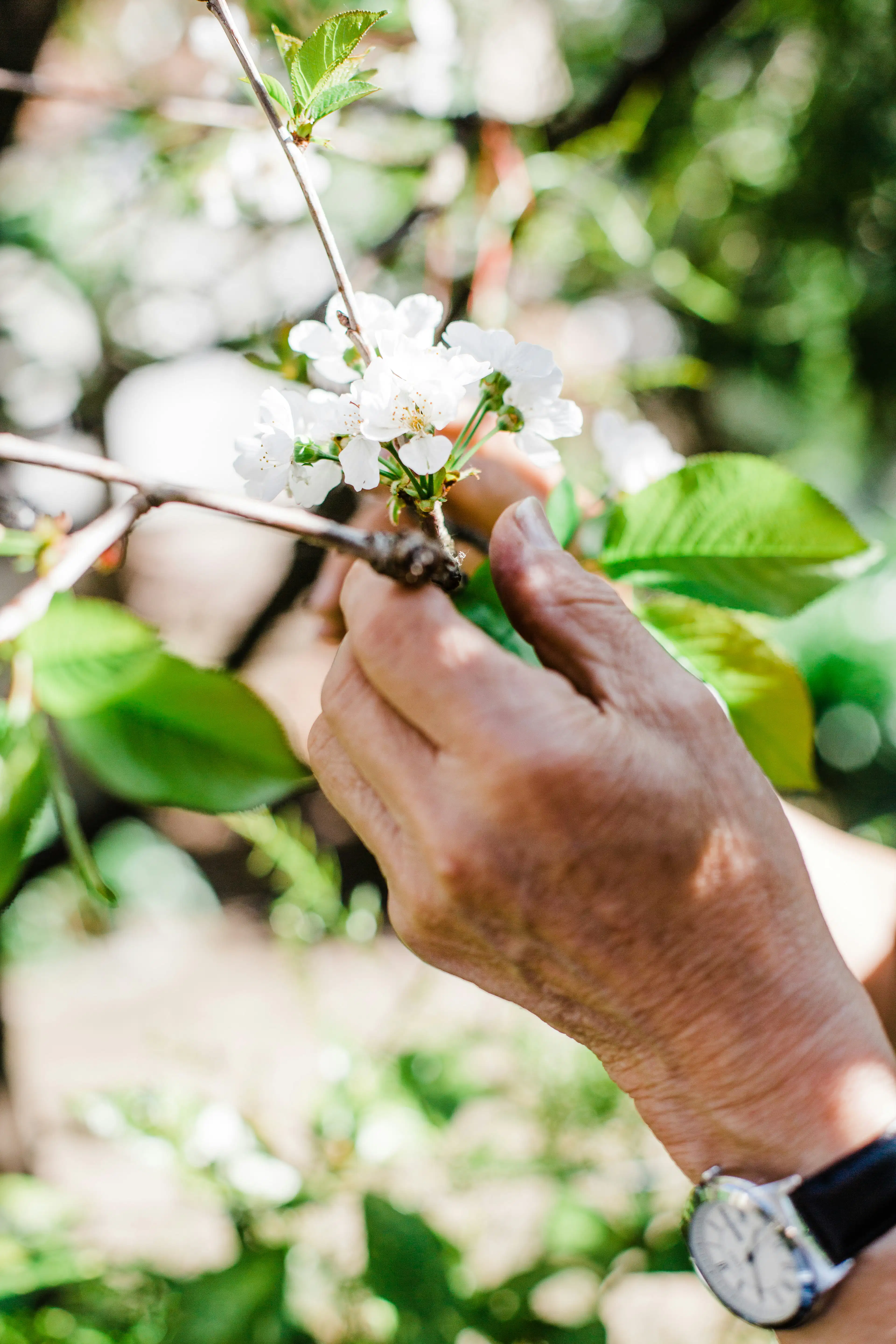
"Our old lemon tree was a mess all leaf, no fruit. After one proper prune it came back with the best crop we've had in years."
Adrian Renner, Westmere
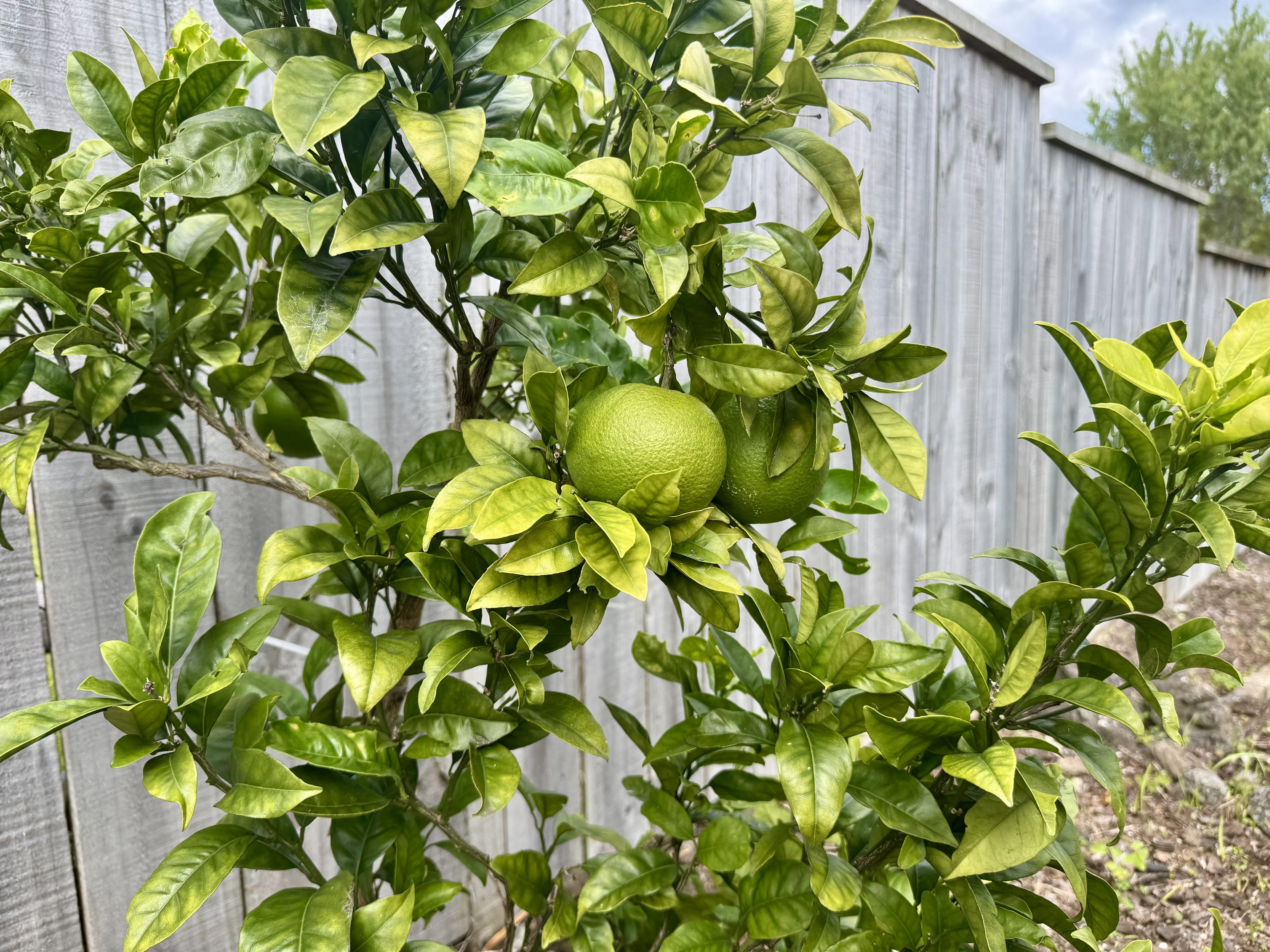
Winter (June to August) when the tree is dormant. This timing reduces the risk of silver leaf disease, which enters through fresh pruning cuts. Avoid pruning plum trees in spring or summer.
Frequently asked questions
If your question has not been asked contact us.
Fruit trees need attention?