Professional hedge trimming in Auckland
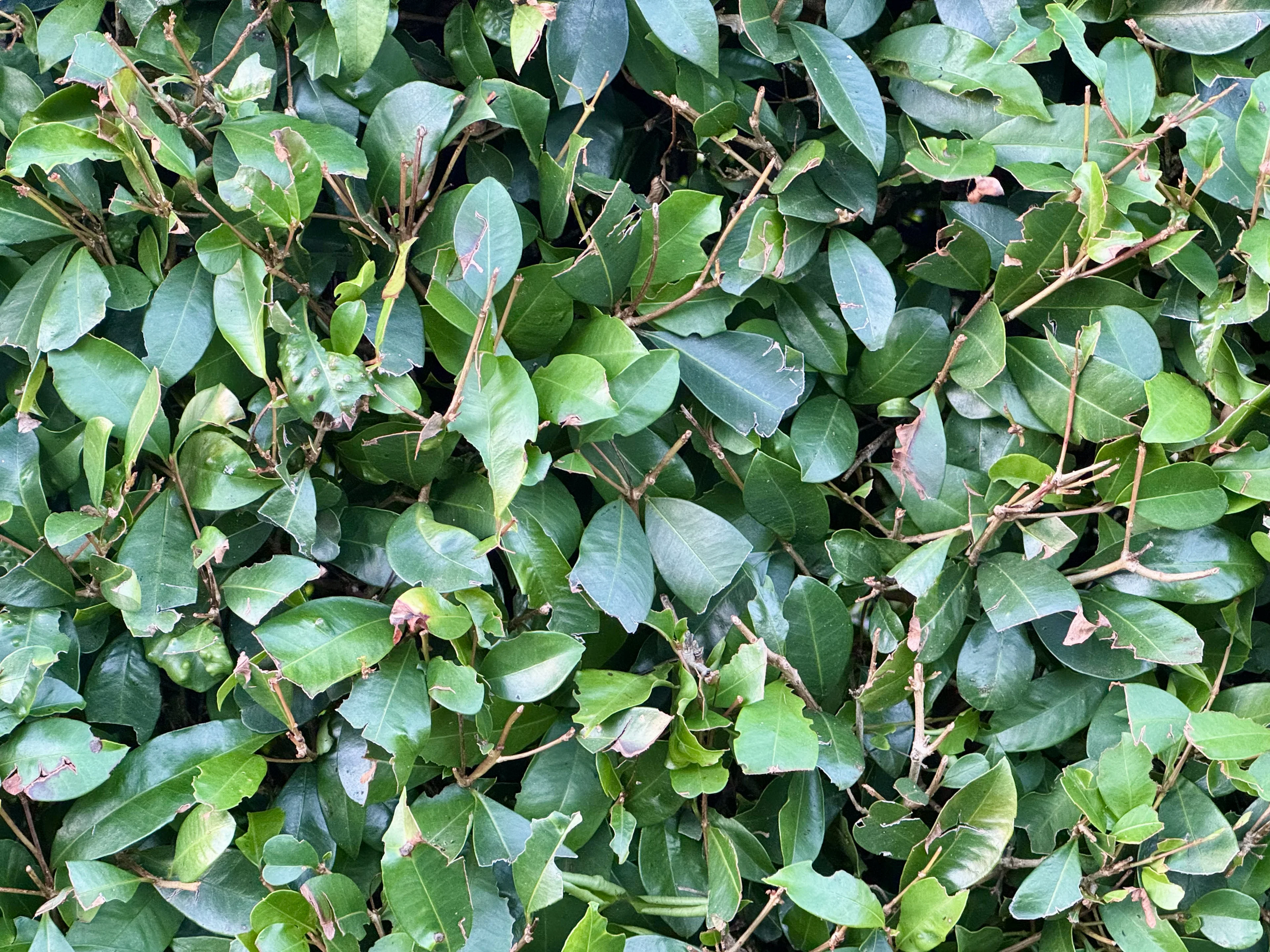
We provide hedge trimming services across Auckland for all types of hedges, formal and informal, native and exotic, residential and rural. From crisp, geometric lines on a Buxus hedge in Ponsonby to careful feathered pruning on a native pittosporum screen in Grey Lynn, every hedge gets the finish it needs.
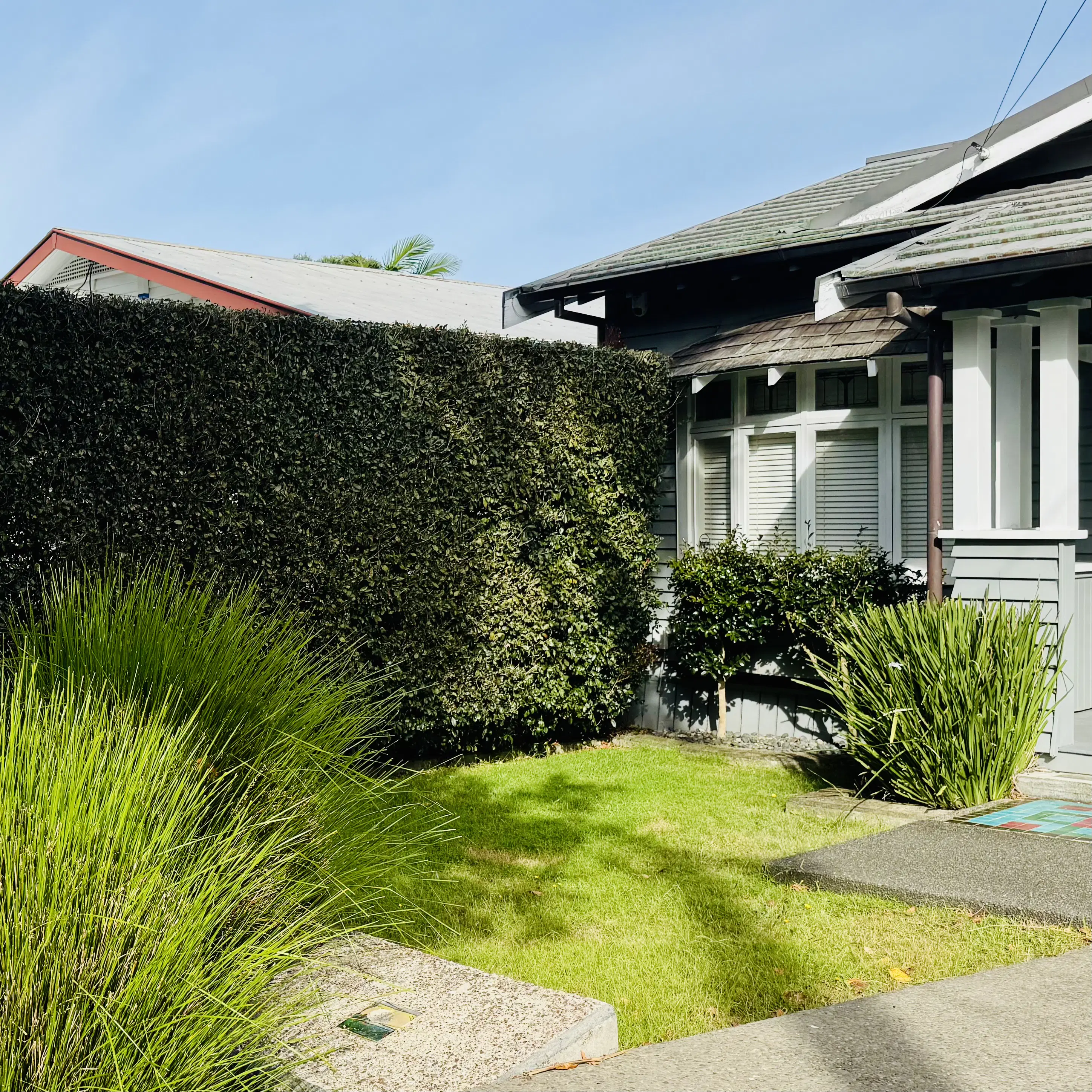
Our arborists have been maintaining hedges across Auckland since 1992. We know the species, we know the timing, and we know what a well-maintained hedge should look like when we leave.
Formal hedge trimming
Regular maintenance keeps formal hedges looking sharp. Species like Buxus, Griselinia, and Corokia need trimming two to three times per year to maintain clean lines and dense growth. The key is timing. Trimming while the growth is still soft gives the cleanest cut and the best finish.
We trim to the existing shape, working systematically to ensure even surfaces and tight corners. A well-maintained formal hedge is a significant asset to an Auckland property. A neglected one is hard to recover.
Informal hedge pruning
Native hedges and informal screens need a different approach. Species like Pittosporum, Coprosma, and Pohutukawa don't suit the hard geometric lines of formal trimming. Instead, we use selective hand pruning to maintain a soft, natural, feathered finish that preserves the character of native plantings.
This takes longer than running a hedge trimmer along the top, but the result is a hedge that looks like it grew that way. Not like it was cut.
Hedge reduction
For overgrown hedges that have become unmanageable, such as mature Acmena, Monkey Apple, Eugenia, or Tecoma that have outgrown their space, we provide heavy reduction pruning. This is more than a trim. It's a controlled cutback to bring the hedge back to a manageable height and width.
Most hedge species recover well from hard pruning, though full recovery typically takes a season or two. Acmena and Eugenia reshoot vigorously. Tecoma can be more variable. We'll assess your hedge's species and condition before recommending how far to cut back.
Hedge restoration
Neglected hedges that have been left unmanaged for years need restoration rather than routine trimming. Gaps in the canopy, bare legs at the base, and uneven growth all require a staged approach.
We specialise in restoring hedges that previous owners let go. This often involves hard pruning in the first year to stimulate new growth, then shaping over the following season to rebuild density and form. It's not instant, but the result is a hedge worth maintaining.
When to trim hedges in Auckland
Formal hedges: Two to three times per year. The main trim in late spring (October to November) after the first flush of growth, a tidy-up in late summer (February to March), and an optional light trim in winter if the hedge grows vigorously.
Informal native hedges: Once a year is usually sufficient. Late winter or early spring, before the growing season, is the best time.
Overgrown hedges: Heavy reduction is best done in late winter (July to August) when the plant is dormant and will reshoot in spring.
Auckland's mild, wet climate means hedges grow year-round. Regular trimming prevents the cycle of neglect and expensive restoration.
Species we commonly maintain in Auckland
We work with every hedge species found in Auckland gardens. Some of the most common:
Formal: Buxus, Griselinia, Corokia, Camellia sasanqua, Photinia, Lonicera nitida
Informal native: Pittosporum, Coprosma, Pohutukawa, Hebe, Corokia (natural form)
Problem hedges: Acmena (Lilly Pilly), Monkey Apple, Eugenia, Tecoma, Privet
Each species has its own growth habit, pruning tolerance, and timing requirements. We adjust our approach accordingly.
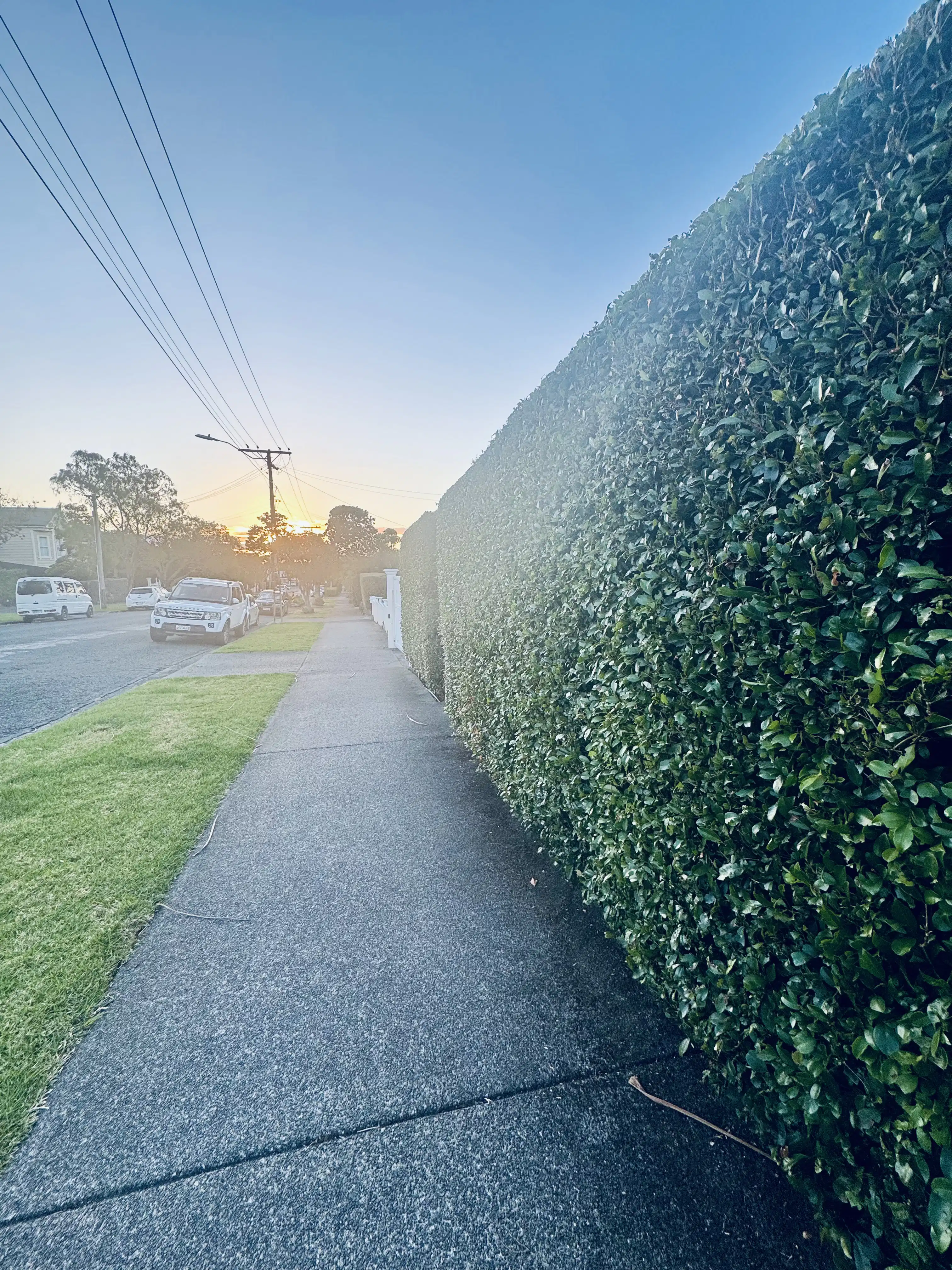
"They've been trimming our hedges for over ten years. Always tidy, always on time, and the hedges have never looked better."
James Wishart, Mount Eden
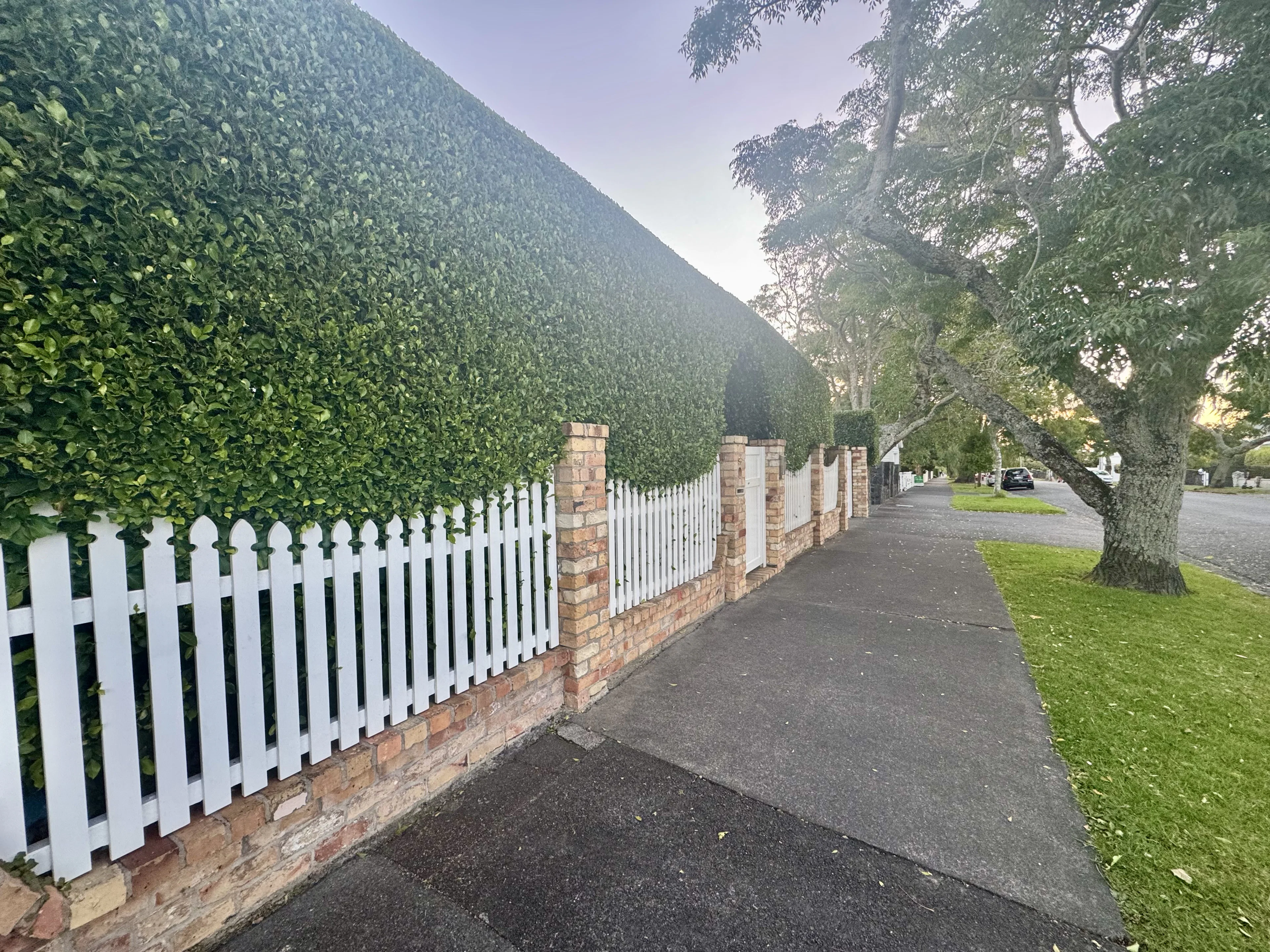
Formal hedges typically need trimming two to three times per year to maintain their shape. Informal hedges may only need annual pruning. The frequency depends on the hedge species, its growth rate, and the desired finish.
Frequently asked questions
If your question has not been asked contact us.
Hedge needs work?